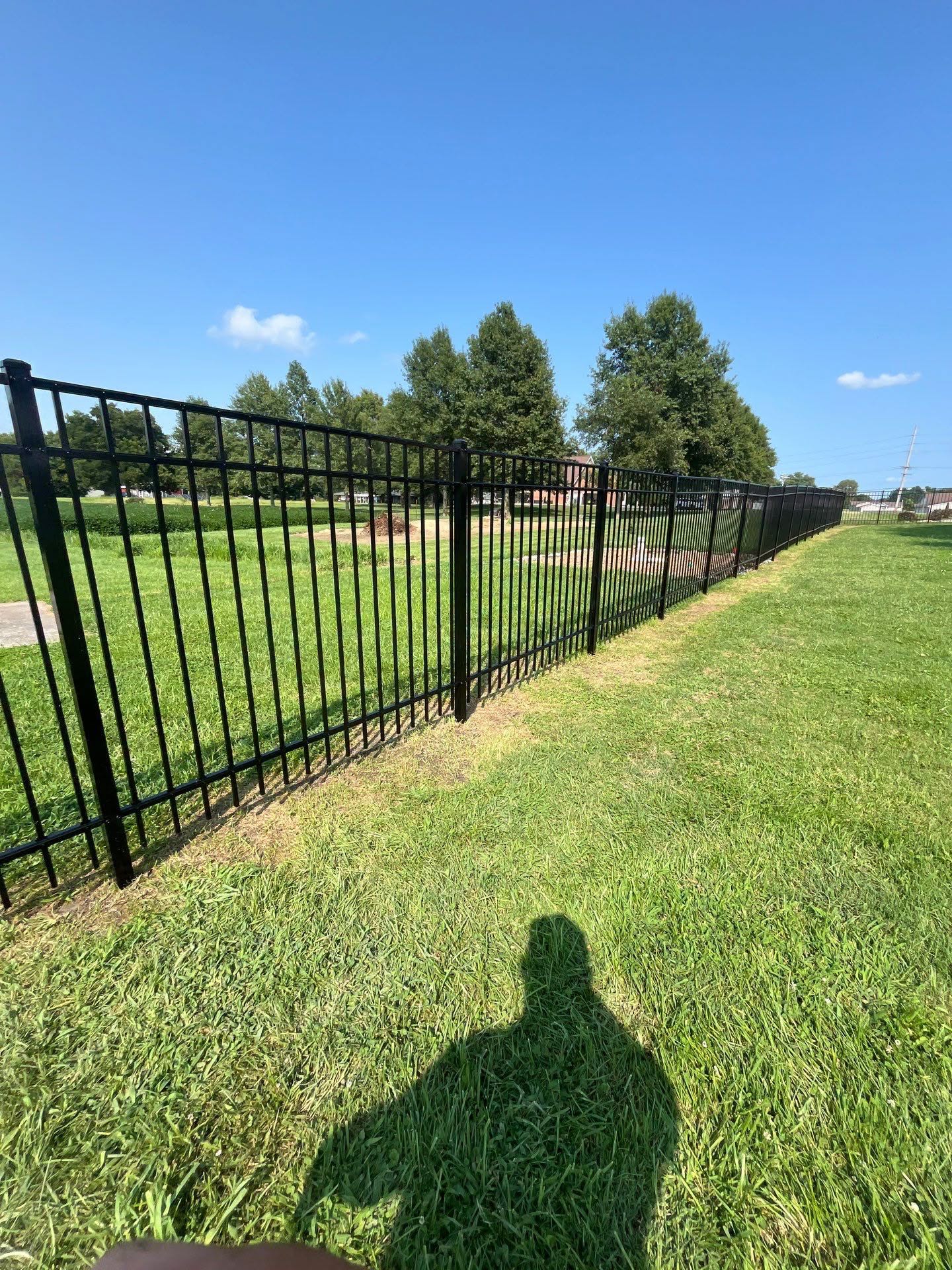
Quick answer: Aluminum fencing is lightweight, rust-proof, and low-maintenance—ideal for residential properties in coastal or humid climates. Steel fencing offers superior strength and security for commercial or high-traffic applications. The right choice depends on your budget, environment, and how long you need the fence to last.
Choosing a fence sounds simple until you're standing at the hardware store, or on the phone with a contractor, realizing there are more decisions involved than you expected. One of the most common—and most consequential—choices South Jersey homeowners and property managers face is whether to go with aluminum or steel.
Both metals are durable, attractive, and widely used. But they perform very differently depending on your environment, budget, and long-term goals. Get this decision right, and your fence will look great and hold strong for decades. Get it wrong, and you're looking at rust, repairs, and replacement costs that could have been avoided.
This guide breaks down everything you need to know about aluminum fence South Jersey properties rely on versus steel—so you can make a confident, informed decision before a single post goes in the ground.
Key Takeaways
Aluminum is the go-to choice for residential properties in South Jersey—it's rust-resistant, low-maintenance, and holds up well in coastal and humid conditions.
Steel delivers superior strength and is better suited for commercial properties, high-security applications, or situations where maximum durability is the priority.
Partnering with an experienced steel fence contractor or aluminum installer ensures the right material is matched to your specific property needs and local conditions.
What's the Actual Difference Between Aluminum and Steel Fencing?
At a glance, aluminum and steel fences can look nearly identical—especially when powder-coated in classic black or dark bronze. But the differences run deeper than the surface.
Aluminum is a naturally occurring metal that resists oxidation without any special coating. It's lightweight, easy to work with, and doesn't rust. Steel, on the other hand, is an alloy—primarily iron mixed with carbon—that's significantly heavier and stronger than aluminum. Its weakness? Without proper treatment, steel is vulnerable to rust, particularly in wet or coastal environments like much of South Jersey.
Both materials are available in a range of styles, heights, and finishes. The key is understanding which one is better suited to your specific use case.
Why Do South Jersey Homeowners Tend to Choose Aluminum?
South Jersey's climate is no joke. Between humid summers, salty coastal air, and wet winters, fencing materials take a beating year-round. That's a big reason why aluminum fence installation in South Jersey has surged in popularity among residential property owners.
Here's what makes aluminum stand out:
Rust-resistance: Aluminum doesn't rust—period. No coatings required, no annual treatments needed. This is a major advantage in coastal and high-humidity environments.
Low maintenance: Once installed, aluminum fencing requires very little upkeep. An occasional rinse is usually all it takes to keep it looking sharp.
Lightweight and easy to install: Aluminum is much lighter than steel, which makes installation faster and often less expensive.
Aesthetics: Modern aluminum fencing mimics the look of wrought iron without the weight or maintenance demands. It's a popular choice for front yards, pool enclosures, and garden borders.
Cost-effective: While not the cheapest material on the market, aluminum strikes a solid balance between upfront cost and long-term value.
For homeowners looking to add curb appeal, define property lines, or enclose a pool, aluminum is hard to beat in this region.
When Does Steel Fencing Make More Sense?
Steel has a compelling case—but it's usually made in specific circumstances. If your top priorities are strength, load-bearing capacity, or security, steel delivers in ways aluminum simply can't.
High-Security and Commercial Applications
Steel fencing is commonly specified for commercial properties, industrial sites, schools, and government facilities where perimeter security is a serious concern. Its tensile strength far exceeds aluminum, making it much harder to breach or bend under pressure.
Where Structural Integrity Is Non-Negotiable
If your fence needs to support gates, wildlife barriers, or heavy loads, steel is the more reliable choice. It also performs better in applications where the fence might experience repeated physical impact.
Aesthetic Preferences for Heavier Profiles
Some property owners prefer the look and feel of a heavier, more substantial fence. Steel's weight gives it a presence that aluminum can't fully replicate—even with similar designs.
The trade-off? Steel requires more maintenance. Galvanized or powder-coated steel can resist rust for years, but if the coating is scratched or compromised, corrosion sets in quickly. In South Jersey's climate, that's a real concern. Working with an experienced steel fence contractor who uses high-quality coatings and proper installation techniques can significantly extend the lifespan of a steel fence—but it does require ongoing attention.
Aluminum vs. Steel: A Side-by-Side Comparison
Feature | Aluminum | Steel |
|---|---|---|
Rust resistance | Excellent (natural) | Moderate (requires coating) |
Strength | Good | Excellent |
Weight | Lightweight | Heavy |
Maintenance | Very low | Moderate to high |
Best for | Residential, pool, coastal | Commercial, high-security |
Cost | Mid-range | Mid to high |
Lifespan | 30+ years | 20–50 years (with upkeep) |
How to Choose the Right Fencing Material for Your Property
The right choice ultimately comes down to four questions:
Where is your property located? If you're within a few miles of the coast or in a high-humidity area, aluminum's rust resistance gives it a clear edge.
What is the fence's primary purpose? Decorative boundaries and pool enclosures favor aluminum. High-security perimeters and commercial applications favor steel.
What's your maintenance tolerance? Homeowners who want a set-it-and-forget-it solution will be happier with aluminum.
What's your long-term budget? Aluminum may cost more upfront in some cases, but lower maintenance costs often make it cheaper over a 10–20 year period.
For most South Jersey residential properties, aluminum is the practical and aesthetic winner. For commercial or high-security projects, steel earns its place.
What to Expect From Professional Metal Fence Installation in South Jersey
Regardless of which material you choose, professional metal fence installation South Jersey makes a significant difference in how your fence performs over time. Here's what a quality installation process typically involves:
Site assessment: A reputable contractor will evaluate your property's terrain, soil type, and local regulations before recommending a design.
Material selection guidance: An experienced team will help you match the right metal, gauge, and finish to your specific needs and environment.
Post setting: Proper depth and concrete anchoring are critical for stability—especially in areas with freeze-thaw cycles.
Finishing and hardware: Quality hinges, caps, and powder-coat finishes extend the life of any metal fence significantly.
Cutting corners on installation—regardless of the material—is one of the most common reasons fences fail prematurely.
The Bottom Line: Aluminum or Steel?
For most South Jersey homeowners, aluminum fence South Jersey installations offer the best combination of durability, low maintenance, and visual appeal. Steel is a powerful choice when security and structural strength are the priority—but it requires more diligence to maintain in the region's climate.
The good news? You don't have to figure this out alone. The team at PCT Outdoor Living has helped property owners across South Jersey choose, design, and install the right fence for their specific needs. Whether you're leaning toward aluminum or need guidance from a steel fence contractor with local expertise, we're here to help you get it right the first time.
Ready to get started? Contact PCT Outdoor Living today for a free consultation and estimate.
---
Frequently Asked Questions
Is aluminum or steel fencing more expensive in South Jersey?
Steel fencing typically has a higher upfront cost due to its weight and the labor involved in installation. Aluminum is generally more cost-effective over time because it requires significantly less maintenance. Total cost depends on fence height, style, linear footage, and site conditions.
How long does an aluminum fence last in South Jersey's climate?
A professionally installed aluminum fence can last 30 years or more with minimal maintenance. Its natural resistance to rust makes it particularly well-suited to South Jersey's humid and coastal climate.
Does steel fencing rust in South Jersey?
Untreated steel will rust, especially in humid or coastal environments. Galvanized or powder-coated steel is more resistant, but any chips or scratches in the coating can allow moisture in. Regular inspections and touch-ups help extend the life of a steel fence in this region.
Can I install a metal fence myself, or should I hire a contractor?
DIY installation is possible but not recommended for most homeowners. Proper post depth, concrete setting, and hardware installation require experience and the right tools. Incorrect installation can lead to leaning, shifting, or premature failure—especially in South Jersey's soil conditions.
What styles are available for aluminum fencing?
Aluminum fencing is available in a wide range of styles, including traditional picket, estate, and spear-top designs. Most are available in multiple heights and can be powder-coated in a variety of colors, with black being the most popular choice for residential properties.