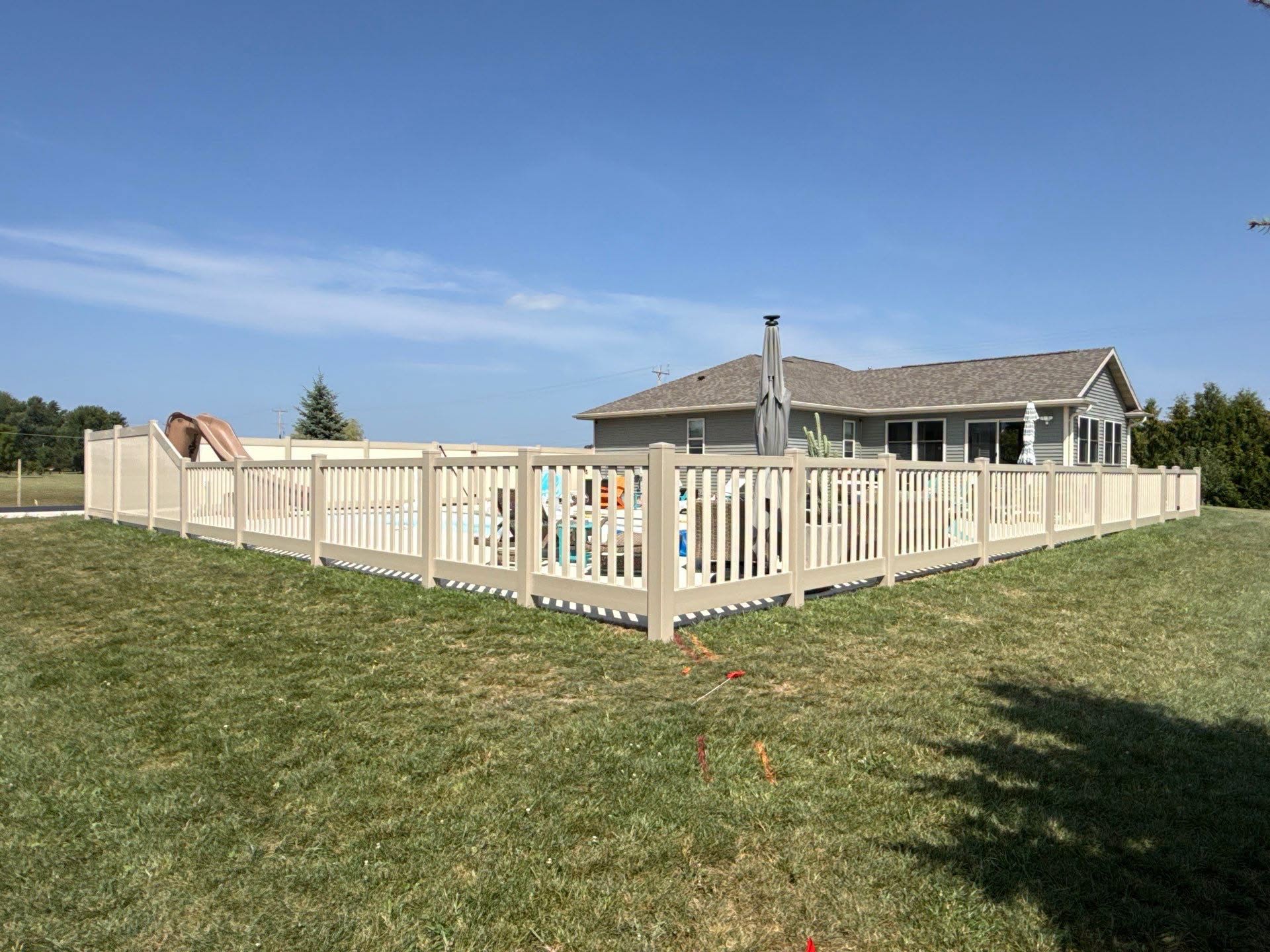
Quick Answer: New Jersey law requires residential pools to be enclosed by a fence at least 48 inches tall with a self-closing, self-latching gate. South Jersey homeowners must meet both state and local municipal codes before a pool can be used. Non-compliance can result in fines, liability issues, and failed inspections.
Pool ownership comes with a long list of decisions—what shape, what size, what features. But one requirement isn't optional, and it's the one that matters most: a compliant pool fence.
In New Jersey, pool fencing is mandated by state law. Every residential pool must be properly enclosed before it can be used. For homeowners in South Jersey, that means navigating a combination of state regulations and local municipal codes that can vary significantly from town to town.
Getting this wrong isn't just a bureaucratic headache. It can result in failed inspections, fines, and—far more seriously—put children and pets at risk. This guide breaks down exactly what South Jersey homeowners need to know about pool fence installation in South Jersey, so you can protect your family and stay on the right side of the law.
Key Takeaways
New Jersey requires all residential pools to be enclosed by a fence at least 48 inches tall with a self-closing, self-latching gate.
Pool safety fence NJ requirements vary by municipality, so always check local codes in addition to state law.
Working with a licensed local contractor for pool fence installation in South Jersey helps ensure your fence passes inspection the first time.
What Does New Jersey State Law Require for Pool Fences?
New Jersey's Uniform Construction Code sets the baseline requirements for all residential pool enclosures. Here's what the state mandates:
Minimum height: The fence must be at least 48 inches tall on all sides.
No climbable footholds: Horizontal rails or decorative elements that could be used as a ladder must not face outward toward the pool.
Gate requirements: All gates must be self-closing and self-latching. The latch must be placed on the inside of the gate, or at least 54 inches from the ground if placed on the outside.
Gaps and openings: Openings in the fence cannot be large enough for a 4-inch sphere to pass through. This prevents young children from squeezing through or getting stuck.
Distance from water's edge: The fence must fully enclose the pool area and not allow direct access from the house without passing through a gate.
These are the minimum standards. Your municipality may require more.
Why South Jersey Homeowners Need to Check Local Codes Too
State law sets the floor—not the ceiling. Many towns across South Jersey have adopted additional pool fence requirements that go beyond what the state mandates.
For example, some municipalities require:
Higher fence heights (60 inches or more in certain zones)
Specific materials such as aluminum or vinyl, especially in neighborhoods governed by HOA guidelines
Permit approval before installation begins, not just before use
Post-installation inspections conducted by a local code officer
Towns like Cherry Hill, Voorhees, Marlton, and Mount Laurel each have their own permit and inspection processes. What passes in one township may not pass in another, even if the fence looks identical.
Before purchasing any materials or scheduling any work, contact your local municipal building department to confirm the specific requirements for your property. A quick call can save weeks of delays.
What Types of Pool Fences Are Commonly Used in South Jersey?
Not all fencing materials are created equal—especially when it comes to pool environments. Here are the most common options and their trade-offs:
Aluminum Fencing
Aluminum is one of the most popular choices for pool safety fence NJ installations. It's rust-resistant, low-maintenance, and available in a range of styles. Aluminum fencing also tends to be easier to customize for sloped or uneven terrain, which is common in South Jersey yards.
Vinyl Fencing
Vinyl offers a clean, finished look and holds up well against moisture and chlorine exposure. It requires minimal upkeep and can be manufactured to meet specific height requirements. The downside is that it can become brittle in extreme cold, so quality matters.
Mesh Pool Fencing
Removable mesh pool fences are a flexible option, often used by homeowners who want a barrier that can be taken down off-season. However, homeowners should verify with their local municipality that removable fencing meets code—not all townships accept it as a permanent solution.
Wood Fencing
Wood fencing can meet code requirements, but it demands more maintenance in a pool environment. Moisture, chemical exposure, and ground contact accelerate rot. If you choose wood, opt for pressure-treated lumber and budget for regular upkeep.
What Happens If Your Pool Fence Doesn't Pass Inspection?
Failing a pool fence inspection creates a cascading set of problems. The pool cannot be legally used until the issue is resolved. In some municipalities, repeated violations result in fines. More significantly, if an accident occurs on a property with a non-compliant fence, homeowners may face serious liability exposure—your insurance provider may also deny a claim if the fence didn't meet code at the time of the incident.
The good news: most inspection failures are correctable. Common reasons for failure include:
Gates that don't self-latch properly
Fence sections with gaps wider than 4 inches
Fence height that falls short of the required minimum
Horizontal rails installed on the pool-facing side of the fence
Catching these issues before inspection—rather than after—is always the better approach.
How to Choose the Right Contractor for Pool Fence Installation in South Jersey
Pool fence installation in South Jersey isn't a job that rewards cutting corners. The contractor you hire should be familiar with both New Jersey state code and the specific requirements of your municipality.
When evaluating contractors, look for:
Licensing and insurance: Always verify that the contractor holds a valid New Jersey Home Improvement Contractor (HIC) license.
Local experience: A contractor who has completed installations in your specific township will already know what local inspectors look for.
Permit handling: Ask whether the contractor will pull the necessary permits on your behalf. Many reputable contractors manage this as part of the installation process.
Material quality: Review samples of the materials they use. Cheaper materials may pass initial inspection but deteriorate quickly in a pool environment.
At PCT Outdoor Living, our team handles the full installation process—from permit application to final inspection—so homeowners across South Jersey can feel confident their pool enclosure meets every requirement.
Your Next Step: Don't Wait Until Pool Season
The most common mistake South Jersey homeowners make is waiting until spring to think about pool fence compliance. Permit processing times vary, and installation schedules fill up fast as the season approaches.
If you're planning a new pool installation, planning to replace an aging fence, or simply unsure whether your existing enclosure meets current code, now is the right time to act.
Contact PCT Outdoor Living for a consultation. We'll assess your property, confirm local requirements, and recommend the best fencing solution for your yard, your budget, and your family's safety.
Frequently Asked Questions
What is the minimum pool fence height required in New Jersey?
New Jersey state law requires residential pool fences to be at least 48 inches (4 feet) tall. Some municipalities in South Jersey require higher fences, so always verify local requirements before installation.
Do I need a permit for pool fence installation in South Jersey?
Yes, in most South Jersey municipalities, a building permit is required before installing a pool fence. Requirements vary by township, so contact your local building department to confirm what's needed in your area.
Can I use a removable mesh fence to meet New Jersey pool code?
Some municipalities accept removable mesh fencing as a compliant pool barrier, while others do not. Check with your local code office before choosing this option.
What makes a pool fence gate compliant in New Jersey?
Gates must be self-closing and self-latching. The latch should be positioned on the inside of the gate, or at least 54 inches above the ground if installed on the outside.
How soon before pool season should I schedule a pool fence installation?
Ideally, 2–3 months before you plan to use the pool. Permit processing and contractor scheduling can take several weeks, especially during peak spring months.